Comfortable Tooth Extraction to Save Your Oral Health
Sometimes misfortune strikes, and you’re faced with the decision of having to lose a tooth. This is especially common if you suffer from gum disease. During your visit to our office serving Chattanooga, Dalton, Jasper, and Cleveland, we evaluate the supporting structures around your teeth. If we find any that are loose or severely compromised due to a periodontal infection, Dr. Randall of Chattanooga Periodontics & Dental Implants can perform a comfortable tooth extraction without having to send you elsewhere.
Our goal is to always try to save a tooth before extraction, but in some cases, extraction is necessary to preserve the integrity and health of surrounding teeth and supporting structures. If this is the case, our board-certified periodontist can gently extract the tooth and restore your mouth to health. We offer several sedation options for your safety and comfort. During the procedure, bone grafting or dental implants can be placed to preserve and restore this area for the future.
When Is Tooth Extraction Necessary?
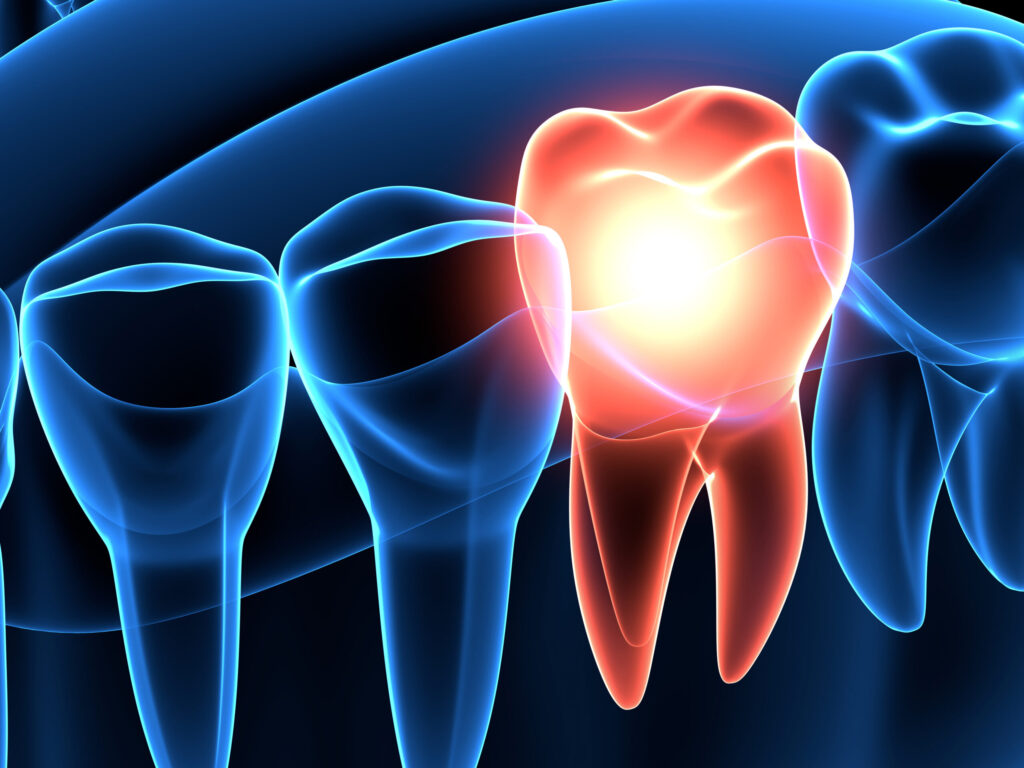
Modern dentistry provides numerous procedures to keep your teeth healthy and to preserve the natural smile as much as possible. But there are situations in which a tooth is too unhealthy to keep in the smile. Severe tooth decay, an infection that does not respond to endodontic treatment, or a lack of bone and gum support due to periodontal disease can each make it impossible to preserve the natural tooth. In these circumstances or any combination thereof, extracting that tooth may be necessary to keep the rest of the smile healthy. The extraction may also be implemented as part of the dental implant placement procedure.
Extractions Are Needed After:
- Decayed Teeth
- Loose Teeth
- Infected Teeth
- Periodontal Disease
What to Expect During a Tooth Extraction
Tooth extractions are a routine procedure performed with care and precision. At Chattanooga Periodontics & Dental Implants, patients can expect clear communication, a comfortable experience, and attentive follow-up at every stage.
1. Consultation
During your visit, the periodontist will review your oral health, take necessary imaging, and explain the steps of the procedure, so you know exactly what to expect.
2. Planning
A treatment plan is created around your individual needs. The periodontist will discuss replacement options if necessary.
3. Extraction
The tooth is carefully removed using precise techniques that minimize impact to surrounding tissues. Sedation options are available to ensure a safe and comfortable experience.
4. Recovery
Most patients experience mild discomfort for a short period after the procedure. Our team provides clear guidance for care after to ensure your healing is smooth and comfortable.
Are There Replacement Options After a Tooth Extraction?
One of the most common and most recommended tooth replacement options for extracted teeth is a dental implant. A dental implant is a post that is surgically inserted within the bone under the gum. It takes the place of your natural root. A crown (tooth) is attached to it. In some cases, we can perform a tooth extraction and replace it with a dental implant on the same day. Implants can also be used to support longer, multi-tooth restorations. Schedule a consultation to learn more.
From removing to replacing your tooth, we’ve got you covered.
Come meet the specialist you can trust who serves Tennessee and Georgia. Chattanooga Periodontics & Dental Implants can help patients from Chattanooga, Dalton, Jasper, and Cleveland who need a tooth extraction. Call (423) 756-2450 or contact us online today.